Sustainable Infrastructure Development: Our Commitment at Samir Group
- Mohamad Taha
- Apr 26
- 4 min read
Sustainable infrastructure development is no longer just a trend; it is a necessity. As the world grapples with climate change and resource depletion, the construction and infrastructure sectors must adapt to new realities. At Samir Group, we recognize the importance of building a sustainable future. Our commitment to sustainable infrastructure development is not just about compliance; it is about leading the way toward a greener, more resilient world.
Understanding Sustainable Infrastructure
Sustainable infrastructure refers to the design, construction, and operation of infrastructure systems that meet the needs of the present without compromising the ability of future generations to meet their own needs. This involves a holistic approach that considers environmental, social, and economic factors.
Key Principles of Sustainable Infrastructure
Resource Efficiency
Sustainable infrastructure aims to use resources—such as energy, water, and materials—efficiently. This means minimizing waste and maximizing the utility of every resource.
Environmental Protection
Protecting ecosystems and biodiversity is crucial. Sustainable infrastructure projects should avoid harming natural habitats and should aim to restore and enhance the environment.
Social Equity
Infrastructure should benefit all segments of society. This includes ensuring access to essential services for marginalized communities and promoting social inclusion.
Economic Viability
Sustainable infrastructure must be economically feasible. This means that projects should not only be environmentally and socially responsible but also financially sustainable over the long term.
The Importance of Sustainable Infrastructure Development
The need for sustainable infrastructure development is underscored by several pressing global challenges:
Climate Change
Infrastructure is a significant contributor to greenhouse gas emissions. Transitioning to sustainable practices can help mitigate climate change.
Urbanization
Rapid urbanization is putting immense pressure on existing infrastructure. Sustainable development can help cities grow in a way that is both efficient and environmentally friendly.
Resource Scarcity
As natural resources become scarcer, sustainable infrastructure can help optimize their use and promote recycling and reuse.
Image Placeholder
Samir Group's Approach to Sustainable Infrastructure
At Samir Group, we are committed to integrating sustainability into every aspect of our infrastructure projects. Our approach is guided by the following strategies:
1. Innovative Design
We prioritize innovative design solutions that enhance sustainability. For example, our recent project involved the use of green roofs and living walls to improve energy efficiency and reduce urban heat. These designs not only provide insulation but also promote biodiversity in urban areas.
2. Sustainable Materials
We are dedicated to using sustainable materials in our construction projects. This includes sourcing locally to reduce transportation emissions and selecting materials that have a lower environmental impact. For instance, we have successfully implemented the use of recycled concrete and sustainably sourced timber in our projects.
3. Energy Efficiency
Energy efficiency is at the core of our infrastructure development. We incorporate energy-efficient technologies, such as LED lighting and smart building systems, to reduce energy consumption. Our projects aim for net-zero energy consumption, meaning they produce as much energy as they consume over a year.
4. Community Engagement
Engaging with local communities is essential for successful sustainable infrastructure development. We actively involve community members in the planning process to ensure that projects meet their needs and address their concerns. This approach fosters a sense of ownership and responsibility among residents.
Case Studies of Sustainable Infrastructure Projects
Green Transit Solutions
One of our flagship projects is the development of a green transit system in a rapidly growing urban area. This project includes:
Electric Buses: We have introduced a fleet of electric buses that reduce emissions and improve air quality.
Bicycle Infrastructure: Dedicated bike lanes encourage cycling as a sustainable mode of transport, promoting healthier lifestyles and reducing traffic congestion.
Smart Traffic Management: Implementing smart traffic signals and real-time monitoring systems helps optimize traffic flow and reduce energy consumption.
Eco-Friendly Building Developments
In another project, we focused on constructing eco-friendly buildings that meet high sustainability standards. Key features include:
Rainwater Harvesting Systems: These systems collect and reuse rainwater for irrigation and non-potable uses, reducing the demand on municipal water supplies.
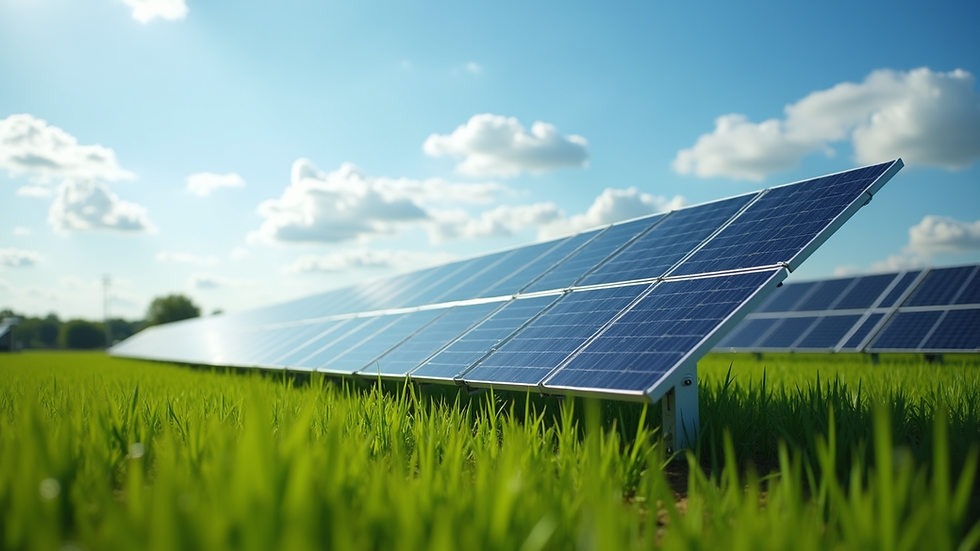
Solar Energy Systems: Buildings are equipped with solar panels to harness renewable energy, significantly lowering energy costs for occupants.
Sustainable Landscaping: Native plants are used in landscaping to minimize water usage and support local wildlife.
Challenges in Sustainable Infrastructure Development
While the benefits of sustainable infrastructure are clear, several challenges remain:
1. Initial Costs
Sustainable materials and technologies often come with higher upfront costs. However, these investments typically pay off in the long run through reduced operational costs and increased property values.
2. Regulatory Hurdles
Navigating the regulatory landscape can be complex. Different regions have varying standards and requirements for sustainable practices, which can complicate project planning and execution.
3. Public Awareness
There is often a lack of awareness about the benefits of sustainable infrastructure among the general public. Educating communities about the long-term advantages of these projects is essential for gaining support.
The Future of Sustainable Infrastructure at Samir Group
Looking ahead, Samir Group is committed to expanding our efforts in sustainable infrastructure development. Our goals include:
Research and Development: We will invest in R&D to explore new sustainable technologies and practices that can be integrated into our projects.
Partnerships: Collaborating with governments, NGOs, and other stakeholders will enhance our capacity to implement sustainable solutions effectively.
Continuous Improvement: We will regularly assess our projects and practices to identify areas for improvement and innovation.
Conclusion
Sustainable infrastructure development is not just a responsibility; it is an opportunity for growth and innovation. At Samir Group, we are dedicated to leading the way in creating infrastructure that is environmentally friendly, socially equitable, and economically viable. By embracing sustainable practices, we can build a better future for generations to come.
We invite you to join us on this journey toward sustainability. Together, we can make a significant impact on our communities and the planet.


Comments